Key Takeaways
|
This article was updated in April of 2026
Journalists are bombarded with hundreds of pitches a week. At the same time, AI is filtering what's worth surfacing and choosing what to ignore. And the majority of releases? They’re too vague, too fluffy, or too self-promotional to make it through either gatekeeper.
If you're wondering why your beautifully crafted announcement is getting ghosted, the truth might sting: you're probably making one (or a few) common press release mistakes. The good news? They're all fixable.
This guide walks you through 10 examples of bad press release mistakes we still see PR pros making in 2026 and shows you how to dodge them with quick fixes and clear examples.
Why are press releases still important (even in an AI world)
Press releases still matter because they give brands a structured way to share real, newsworthy updates in a format journalists actually use. When they’re done right, they help you control the narrative, reach new audiences, and build credibility quickly.
But journalists aren’t the only ones deciding what gets seen anymore.
Search engines and AI tools are now scanning, summarising, and deciding which sources get surfaced and cited. A well-written press release supports SEO, while also increasing your chances of being picked up, reused, and referenced by LLMs across multiple channels.
- 74% of journalists want to receive press releases and news announcements from PR pros.
- 68% say they use releases as a primary source for content and story ideas.
- Brands that consistently send quality press releases can see up to a 220% increase in website traffic
But the bar is high: 57% of journalists block contacts who send overly promotional press releases. And 77% say that less than a quarter of the pitches they receive are relevant.
So yes, press releases still work. But only when they’re clear, relevant, and worth someone’s attention.
AI is also playing a role in the creation side. Around 58% of PR pros now use generative AI to draft releases, but only one in five organisations are investing in training their employees in the proper usage. The result is predictable: generic, over-polished content that reads like filler and gets ignored.
So how do you write a press release that actually gets picked up - by journalists and algorithms?
Let’s break down the most common mistakes and how to fix them.
10 bad press release examples to avoid if you actually want to get published
Mistake 1: Writing like it’s a marketing brochure
TL;DR: Drop the brand hype. Focus on what’s newsworthy.
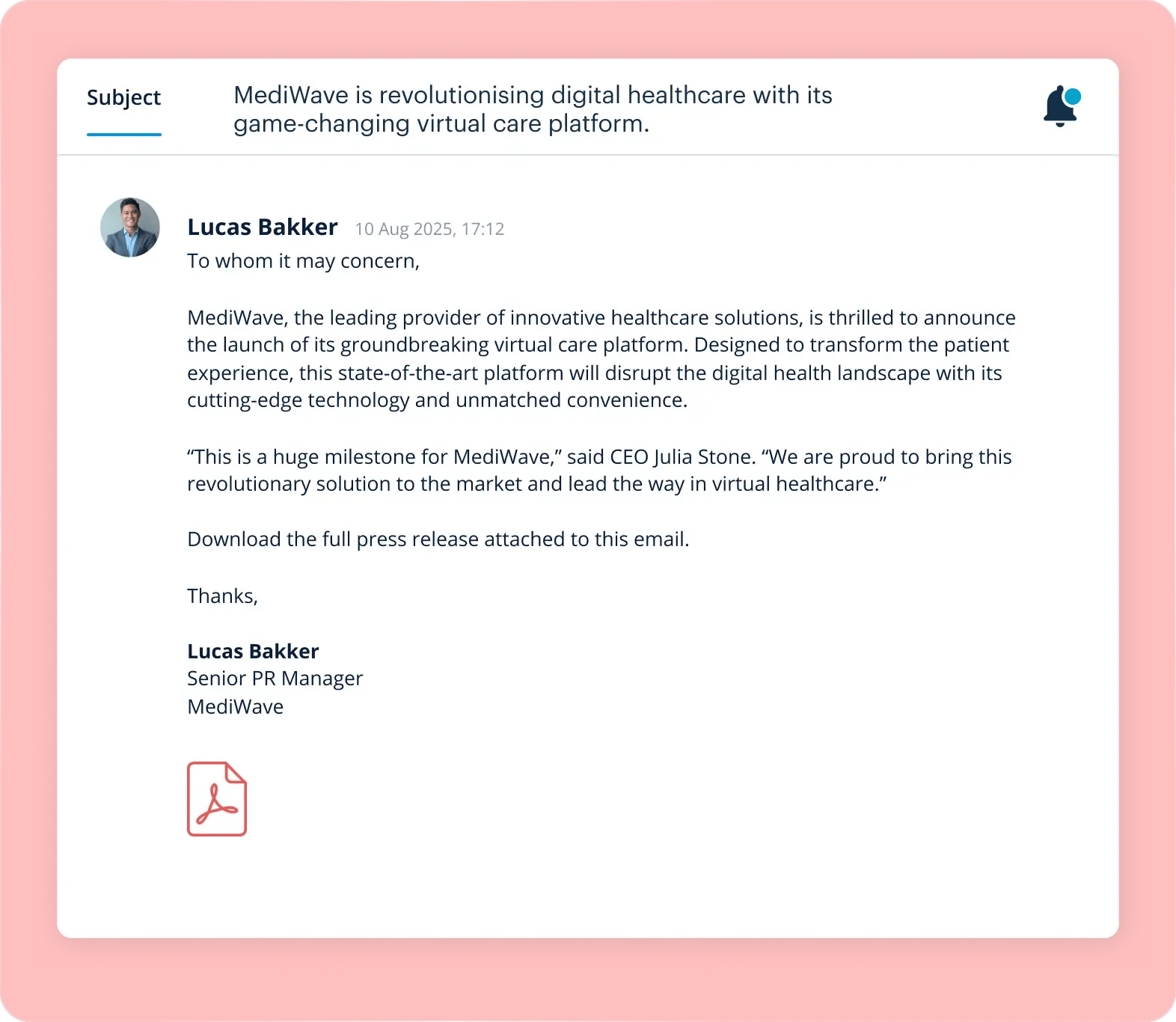
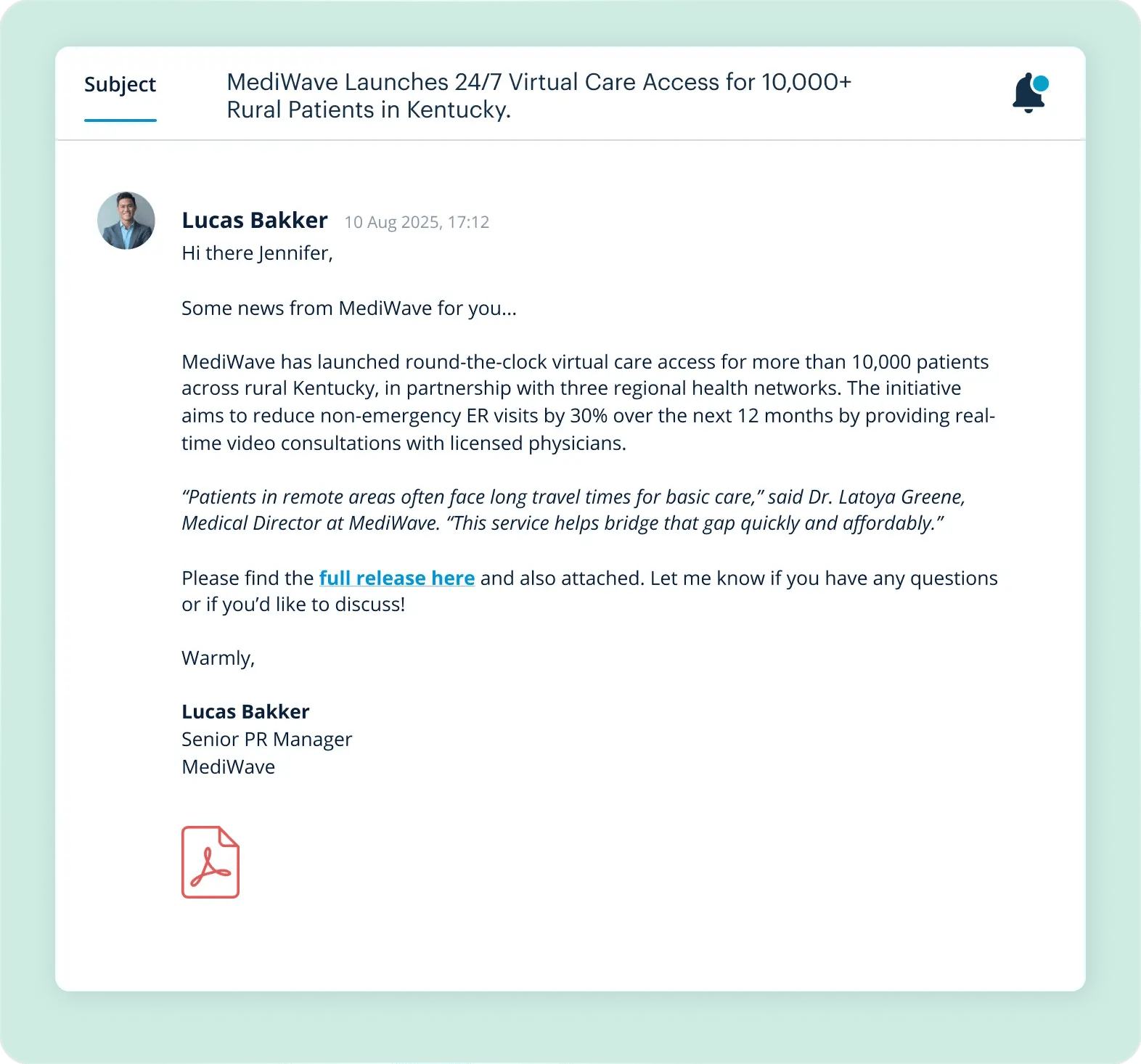
What NOT to do: This is the biggest offender. A press release isn’t an ad. Journalists want facts, context, and relevance. If your copy is packed with phrases like "leading provider of innovative solutions" or "we’re thrilled to announce," you’re not informing. You’re advertising. And journalists will bin it. What’s worse? You’ve made a terrible first impression on someone who might’ve spotlighted your company news down the line.
What to do instead: Stick to the facts. Open with what happened, not how proud you are. Ditch the hype, keep it tight, and make sure a journalist could copy-paste your first paragraph without culling all the flowery extras.
Bad |
 |
|
Better |
 |
|
Mistake 2: No multimedia (or worse, poor quality multimedia)
TL;DR: Don’t just say it, show it. Journalists love visuals.
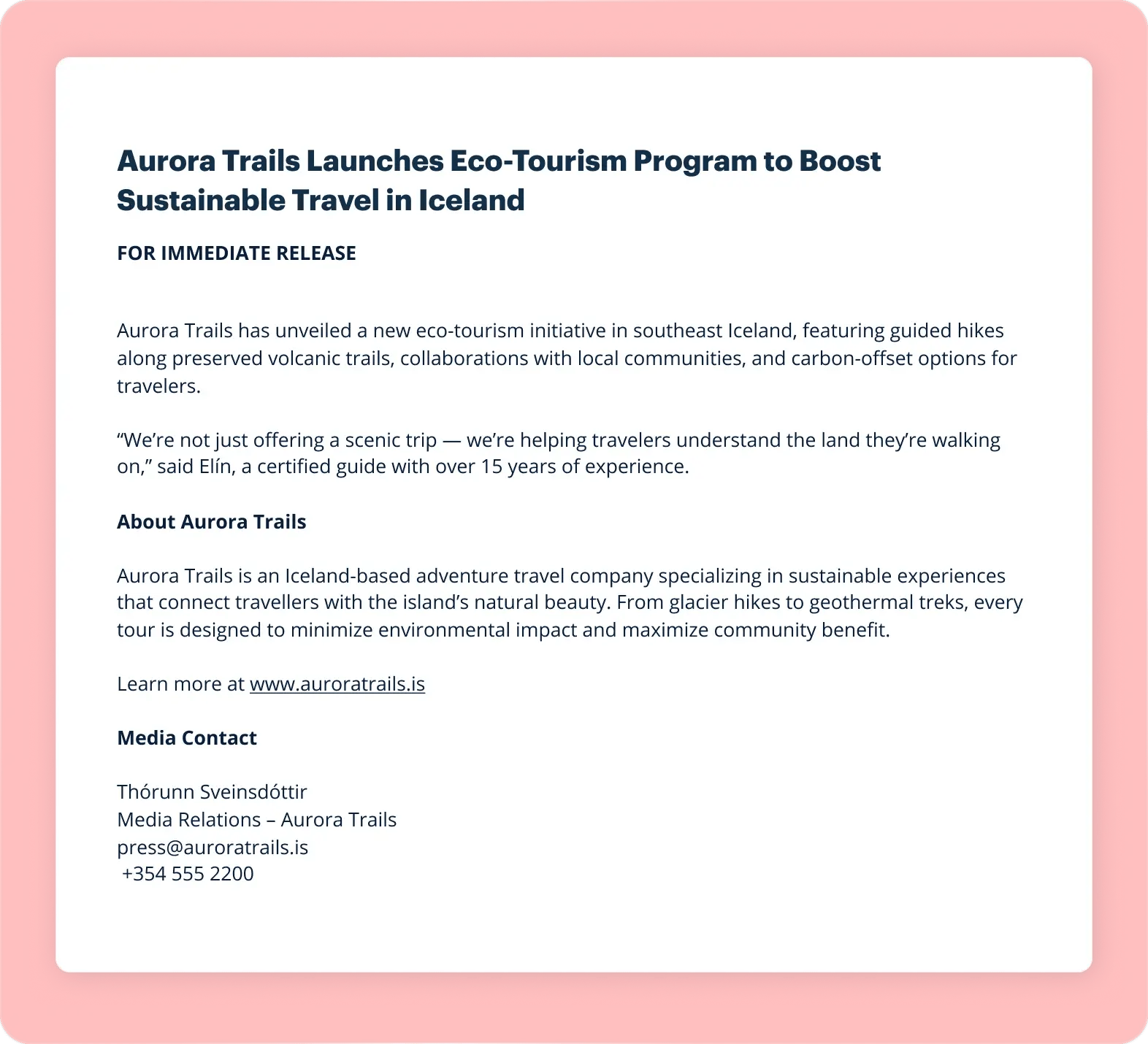
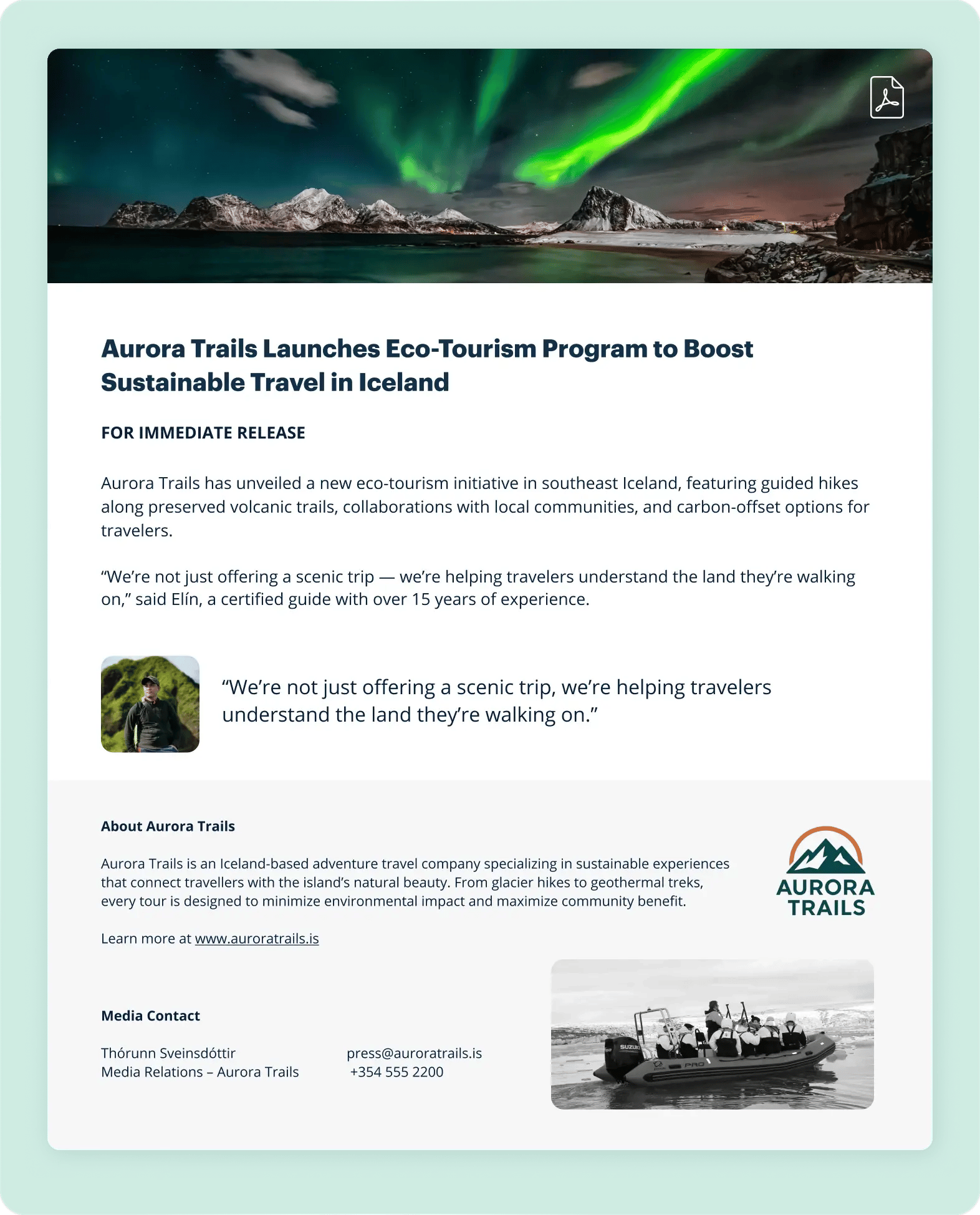
What NOT to do: A wall of text won’t cut it. Releases without visuals are easier to ignore, and low-res or off-topic images make you look like a kid playing at the adults' table. If you’re expecting someone to turn your text into a story, give them something to work with.
What to do instead: Include high-quality, relevant visuals that bring your story to life. A hero image, product shots, video clips, infographics - anything that supports your story and saves a journalist chasing you down.
Bad |
 |
|
Better |
 |
|
Mistake 3: Sending it to the wrong people at the wrong time
TL;DR: Relevance and timing are everything. Don’t spray and pray.
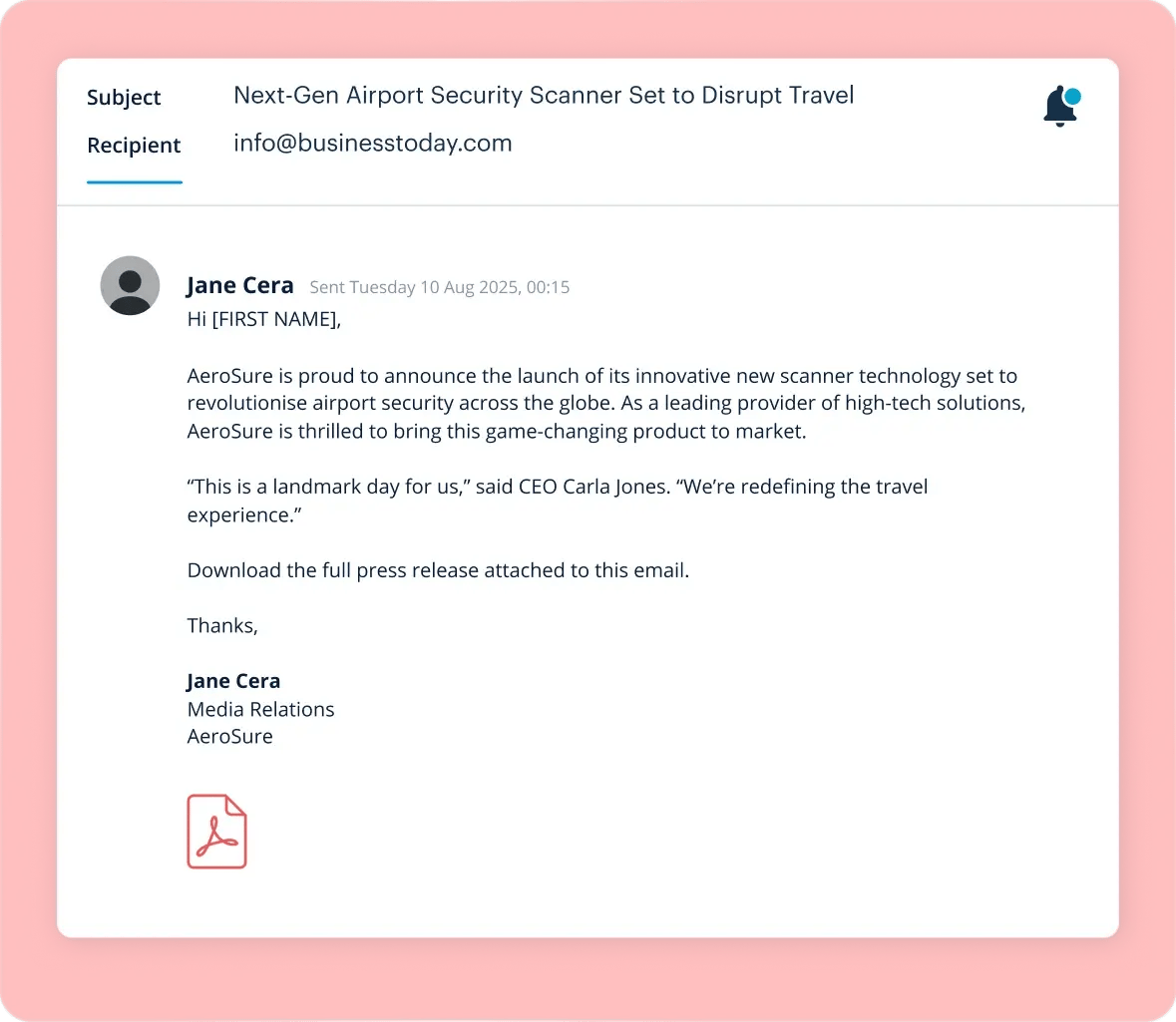
What NOT to do: Blasting your release to every contact in your CRM or reaching out to irrelevant reporters is a waste of everyone’s time (including yours). Worse, sending during breaking news, weekends, or off hours means your story will likely be buried.
What to do instead: Segment your media list. Tailor your pitch by beat, outlet, and region. Time it to land during working hours and avoid major news cycles. Do your research; your email should make sense to the journalist reading it.
Bad |
 |
|
Better |
 |
Further reading: Best press release distribution services: 7 tools to know in 2025 |
Mistake 4: Weak headlines and no structure
TL;DR: Your headline is your hook. If it’s vague, they’re gone.
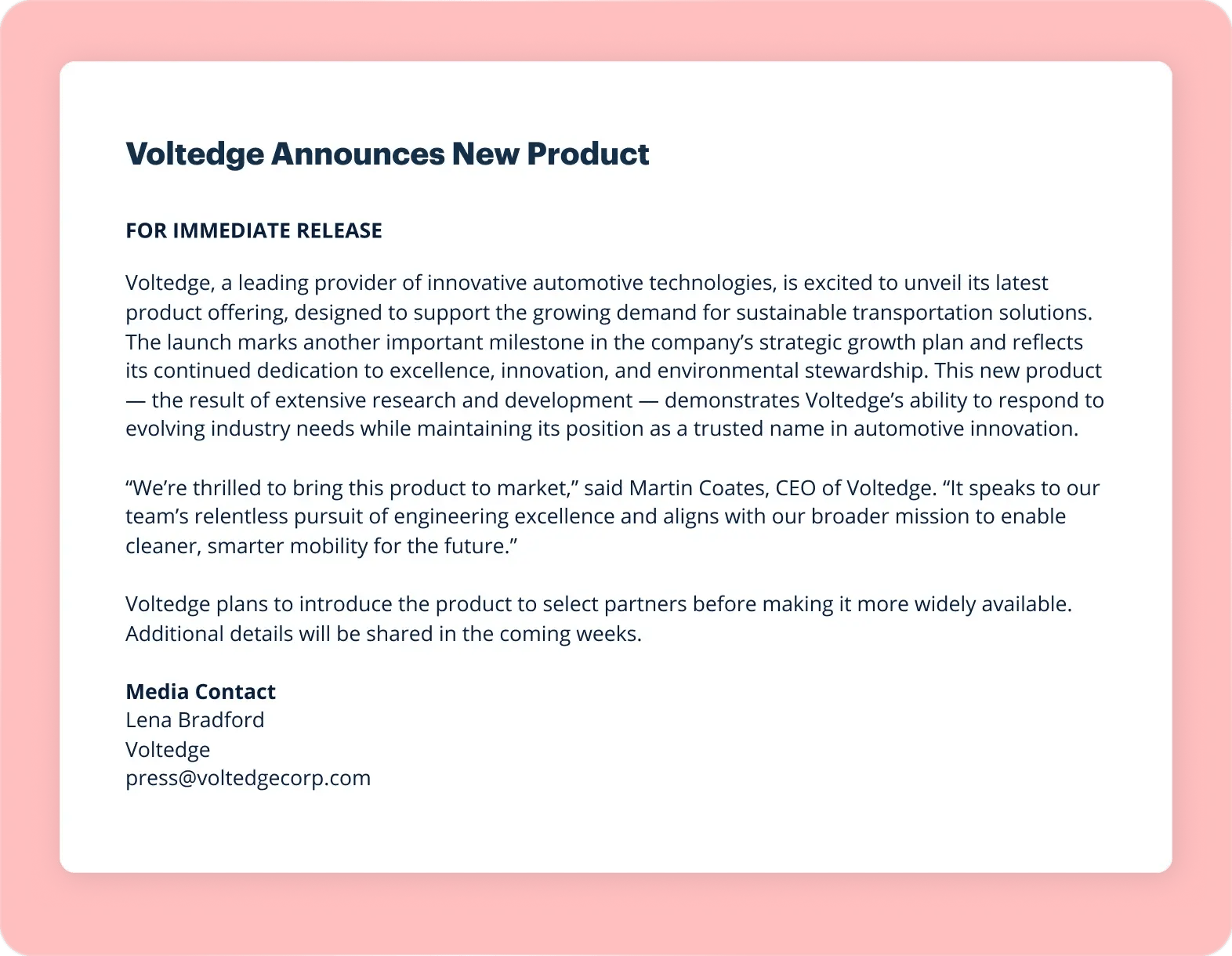
What NOT to do: “Company X Announces New Product” doesn’t give journalists a reason to care. Long intros, buried leads, and jargon-heavy paragraphs make things worse. If your structure’s a mess, even good news won’t land.
What to do instead: Nail the headline. Make it specific, clear, and tied to real benefits or impact for people and/or profits. Then build your release using the inverted pyramid: start with the essential facts, then add context and quotes.
Bad |
 |
|
Better |
|
More learning: Want to learn how to craft the PERFECT press release? Check out our step-by-step guide (with free templates)! |
Mistake 5: Following up too much (or not at all)
TL;DR: One polite follow-up is fine. Spamming your media relations isn't.
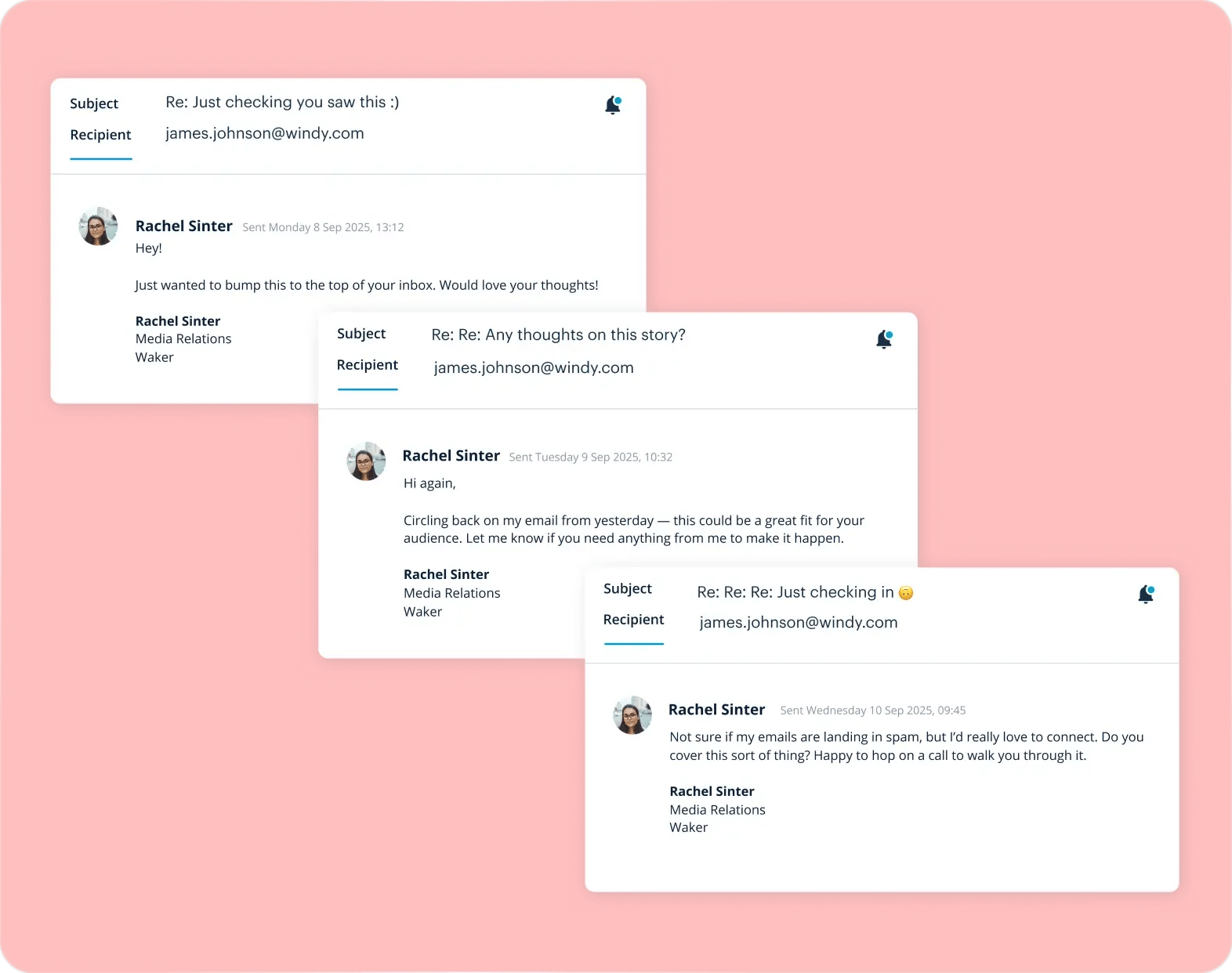
What NOT to do: Journalists don’t want five emails in a week, and they definitely don’t want phone calls about a story that doesn’t fit. But sending nothing at all leaves opportunities on the table.
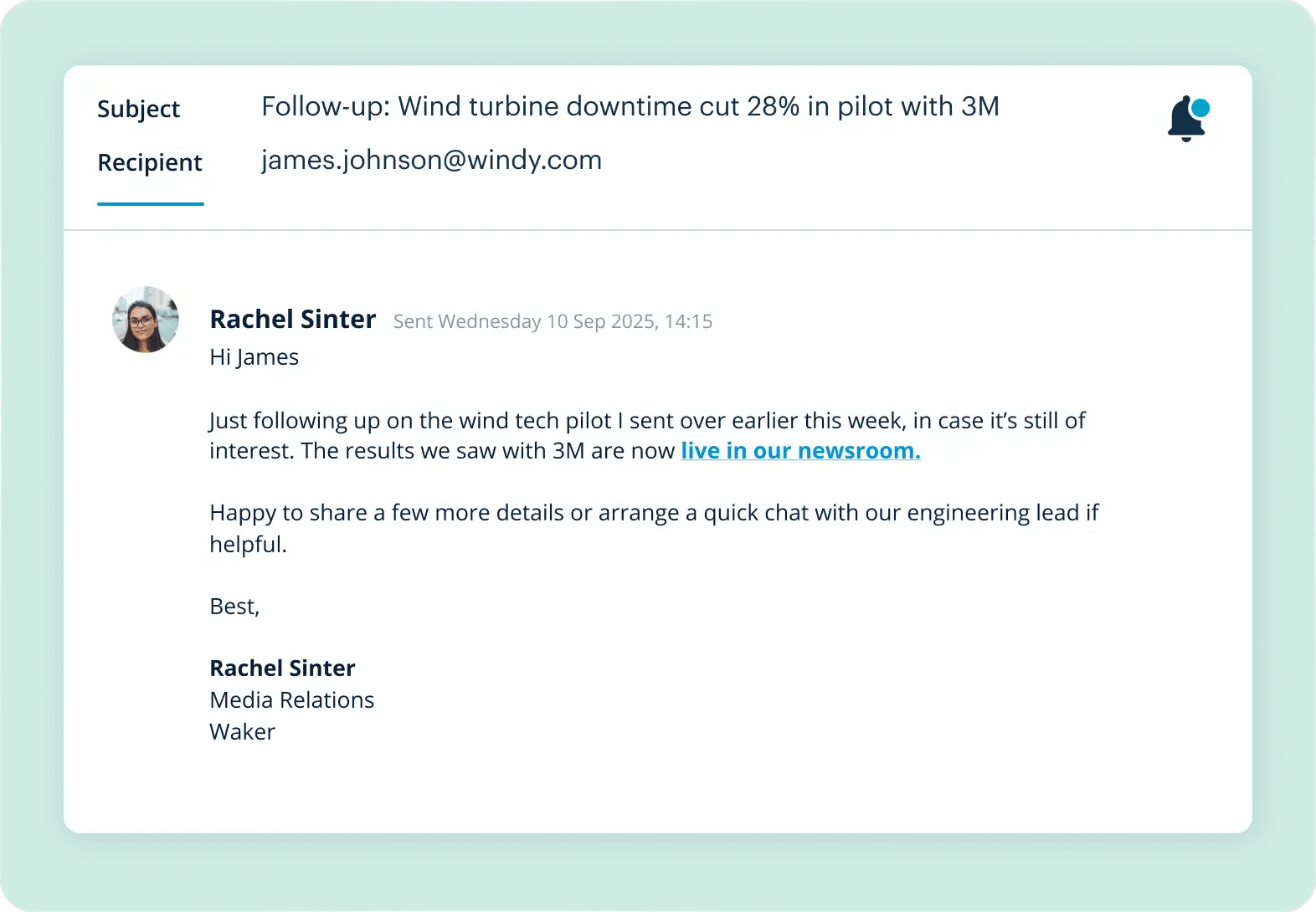
What to do instead: Wait a few days, then send one short follow-up. Include the headline, a link to assets, and one sentence about why it’s relevant. That’s it. If they don’t bite, let it go.
And if your story does get picked up? Reach out! A quick thank-you goes a long way toward building a real relationship and sets the stage for future releases.
Bad |
 |
|
Better |
 |
|
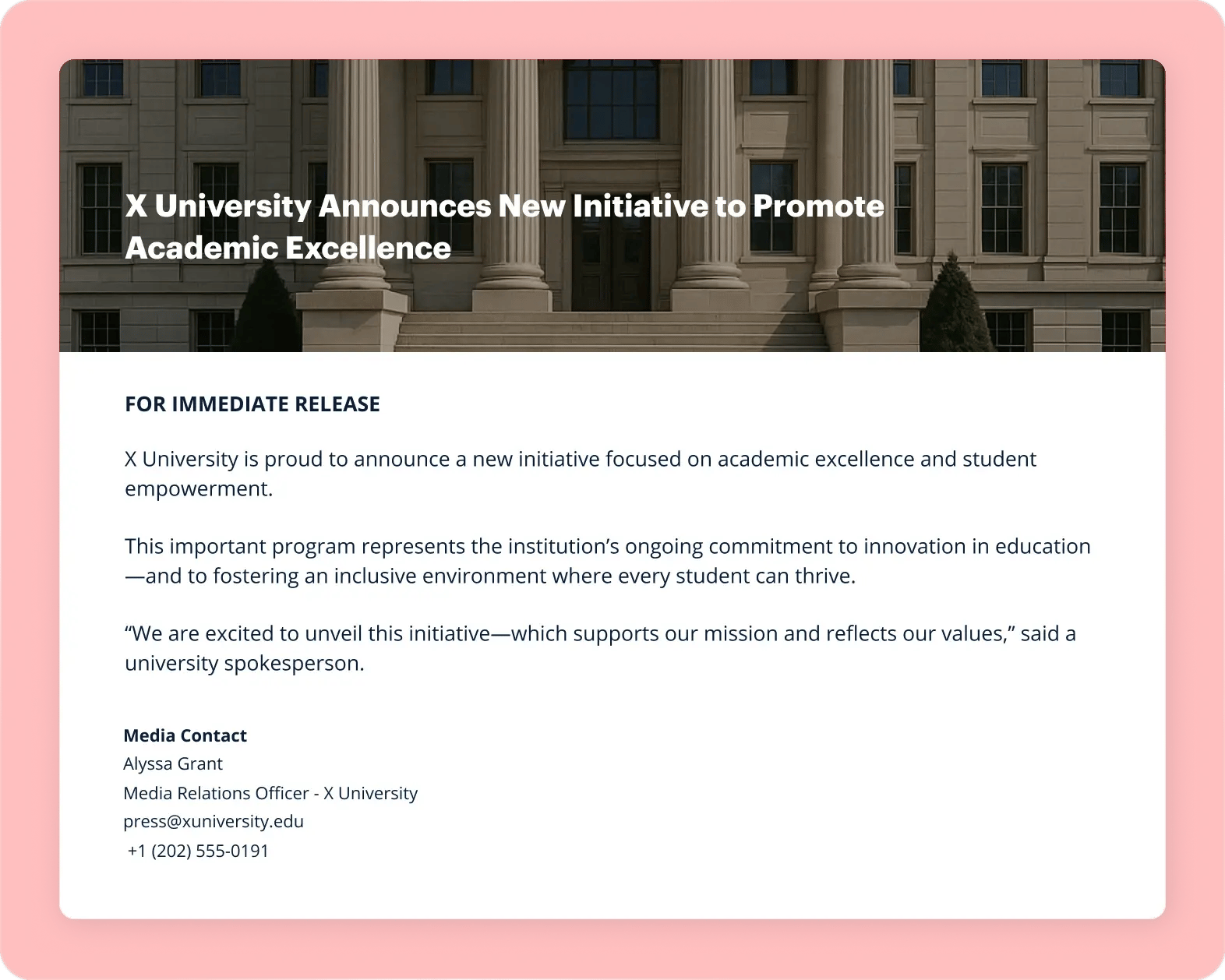
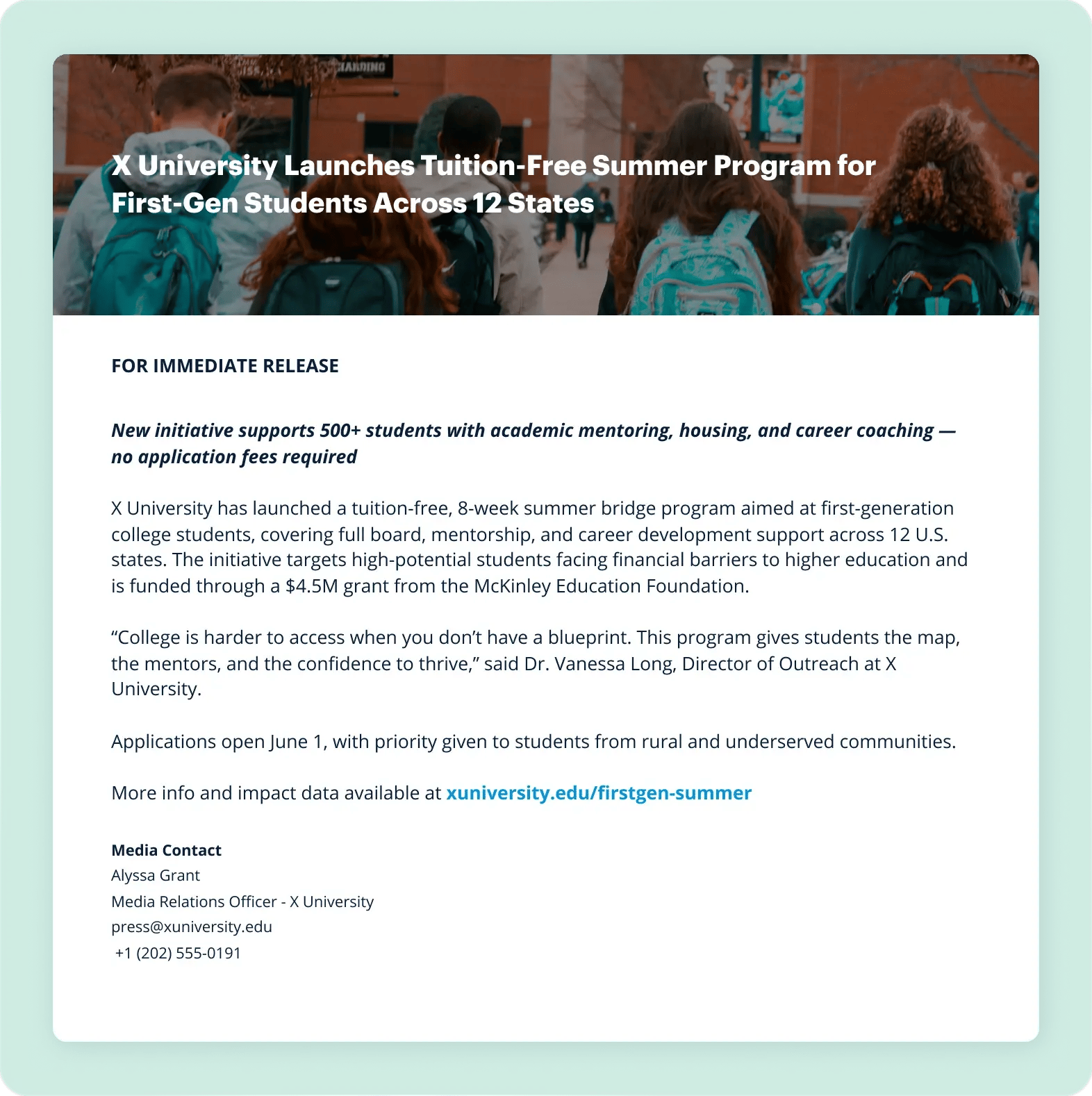
Mistake 6: Letting AI do all the work
TL;DR: Use AI to help, not to replace your voice.
What NOT to do: Dumping a prompt into ChatGPT and hitting send. AI-generated releases are usually generic, lack nuance, and often feel like placeholder text. Journalists can tell, it won’t do your story justice, and it certainly will do nothing to bolster your long-term reputation.
What to do instead: Use AI to speed things up! Generate outlines, check structure, or polish tone. But you need to add the story. Include expert quotes, stats, and real-world impact. Bring the human in and keep it front and centre.
Bad |
 |
|
Better |
 |
|
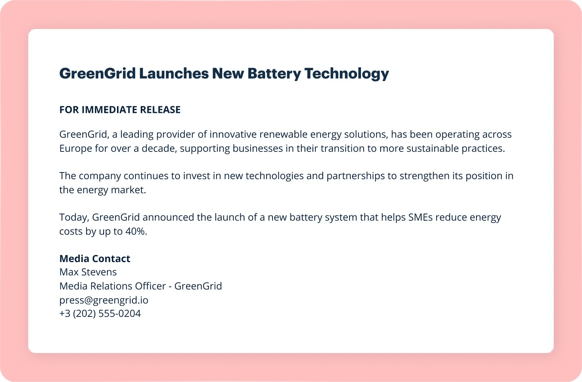
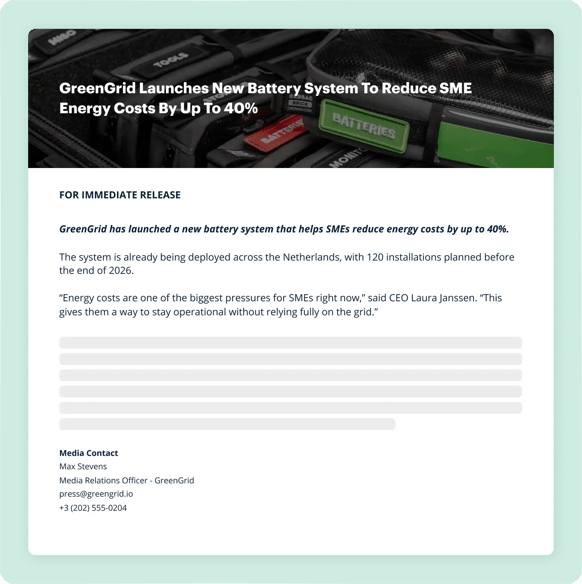
Mistake 7: Burying the lead
TL;DR: Get to the point fast. If the news isn’t in the first paragraph, it might as well not be there.
What NOT to do: Starting with background, brand context, or a slow build before you actually say what happened. Journalists don’t have time to dig for the story, and neither do AI tools. If your key announcement is hiding in paragraph three or four, most people will never see it.
What to do instead: Lead with the news. Your first paragraph should clearly answer: what happened, who it affects, and why it matters. Then you can layer in context, quotes, and supporting detail. If someone only reads the first few lines, they should still get the full story.
Bad |
 |
|
Better |
 |
|
Mistake 8: Using quotes that add no value
TL;DR: If your quote could be removed without changing anything, it shouldn’t be there.
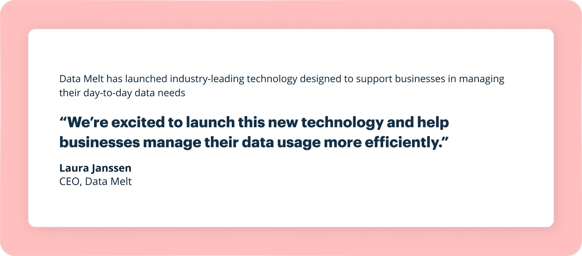
What NOT to do: Filling your press release with safe, generic quotes that repeat what’s already been said. Lines like “We’re excited to announce…” or “This marks an important milestone…” don’t add insight, perspective, or anything a journalist can actually use. They take up space without moving the story forward.
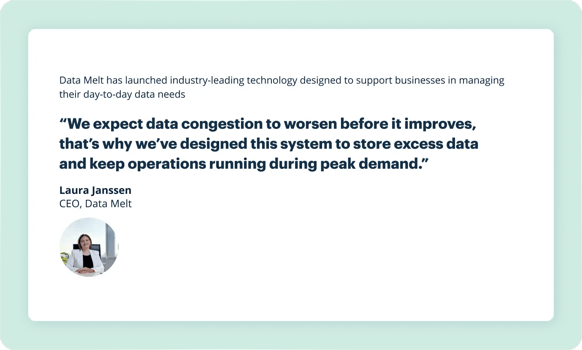
What to do instead: Use quotes to add something new. A strong quote should bring opinion, context, or emotion that isn’t already in the body copy. It should sound like a real person and give journalists something they can lift directly, such as a point of view, a reaction, or a clear explanation of why this matters.
Bad |
 |
|
Better |
 |
|
Mistake 9: Leaving out concrete data
TL;DR: If you can’t back it up with facts, it’s just a claim.
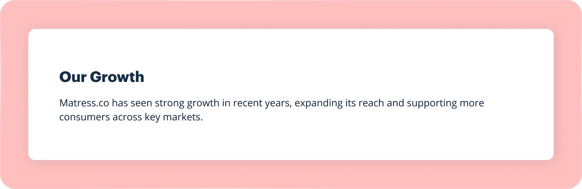
What NOT to do: Writing in generalities with no numbers, timelines, or measurable impact. Phrases like “significant growth,” “major investment,” or “industry-leading results” sound impressive, but without data, they don’t mean anything. Journalists can’t verify them, and AI tools are less likely to surface or trust them.
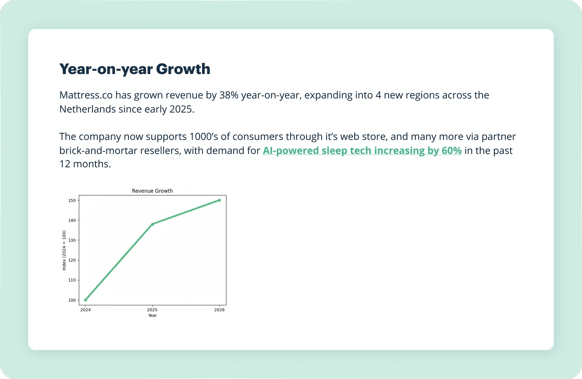
What to do instead: Be specific. Include numbers, percentages, timelines, locations - anything that makes your story tangible and credible. If you’re making a claim, back it up. The more concrete your release is, the easier it is for journalists to report on it and for AI systems to pick it up.
Bad |
 |
|
Better |
 |
|
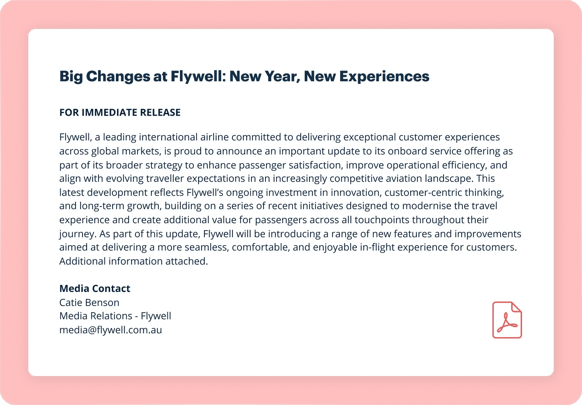
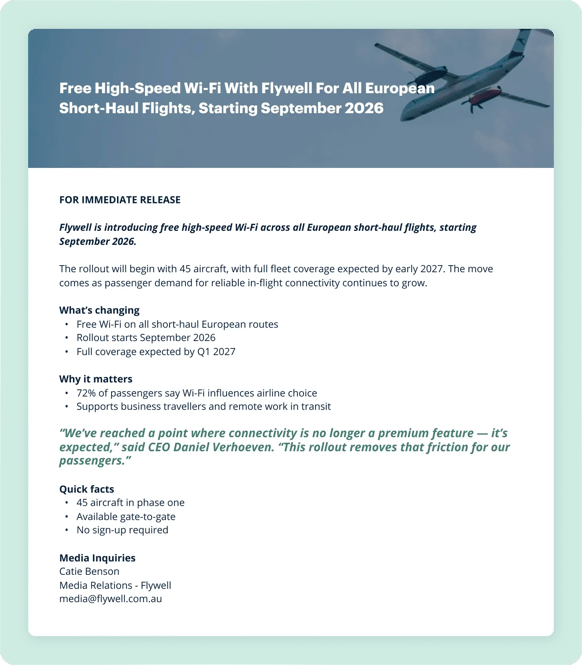
Mistake 10: Forgetting to write for journalists and AI systems
TL;DR: If your press release isn’t easy to read, it won’t be easy to surface, for people or LLMs.
What NOT to do: Writing only with a human reader in mind, while ignoring how your content is scanned, summarised, and reused by AI tools. Long paragraphs, unclear structure, missing context, and vague language make it harder for both journalists and AI systems to understand what your story is actually about. If your key facts aren’t obvious, they’re likely to be skipped.
What to do instead: Write for both. That means leading with clear, factual information, using a strong structure (headline - key facts - supporting detail), and making your content easy to scan and interpret. Include specific names, dates, locations, and numbers so your story is easy to understand and cite, whether that’s by a journalist on deadline or an AI tool generating an answer.
Bad |
 |
|
Better |
 |
|
The Takeaway
Press releases work, but only when they respect the reader's time and intelligence. Journalists (and increasingly, AI systems) want:
- Relevant, timely stories
- Visuals they can use
- Clear, front-loaded information (no buried ledes)
- Real quotes that add perspective
- Concrete data they can verify and use
- Strong headlines and structure that are easy to scan
- Follow-ups that aren’t annoying
- A release that’s actually worth picking up
If this all sounds obvious on paper, that’s because it is.
But in practice? This is exactly where most press releases fall apart. The lead gets buried, the quotes say nothing, the data is missing, and the structure makes it harder, not easier, to understand what’s actually newsworthy.
Follow the tips above, though, and you're sure to smash it, every time.
Want to figure out if your press releases are up to scratch?
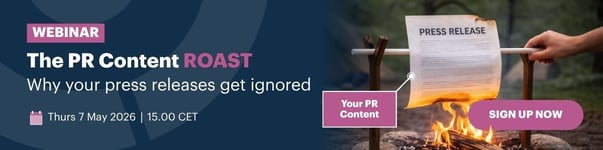
Join our upcoming webinar - PR Content Roast: Why your press releases get ignored - on May 7th from 15:00-16:00 CET.
We’ll break down real press releases, call out what’s not working (no sugarcoating), and rebuild them into something journalists - and AI systems - will actually pick up.
We hope to see you there!
Join the PR Content Roast: Why your press releases get ignored